
 Floor Hendriks
 A development assessment is a systematic method for identifying employees’ competencies, skills, and areas for development. This tool helps organizations and employees identify targeted growth opportunities and map out a clear development path.
The need for development is growing in today’s job market. Employers are looking for ways to help their staff grow, while employees themselves also want to shape their own careers. A development assessment brings both parties together by providing insights into where someone stands and where he or she can grow.
A development assessment is a systematic method for identifying employees’ competencies, skills, and areas for development. This tool helps organizations and employees identify targeted growth opportunities and map out a clear development path.
The need for development is growing in today’s job market. Employers are looking for ways to help their staff grow, while employees themselves also want to shape their own careers. A development assessment brings both parties together by providing insights into where someone stands and where he or she can grow.
What We’ll Cover in This Article
In this article, we’ll walk you through everything you need to know about development assessments:
• The different types of assessments and their applications
• The process, from preparation through follow-up
• Practical tips for both employers and employees
• Frequently asked questions about development assessments
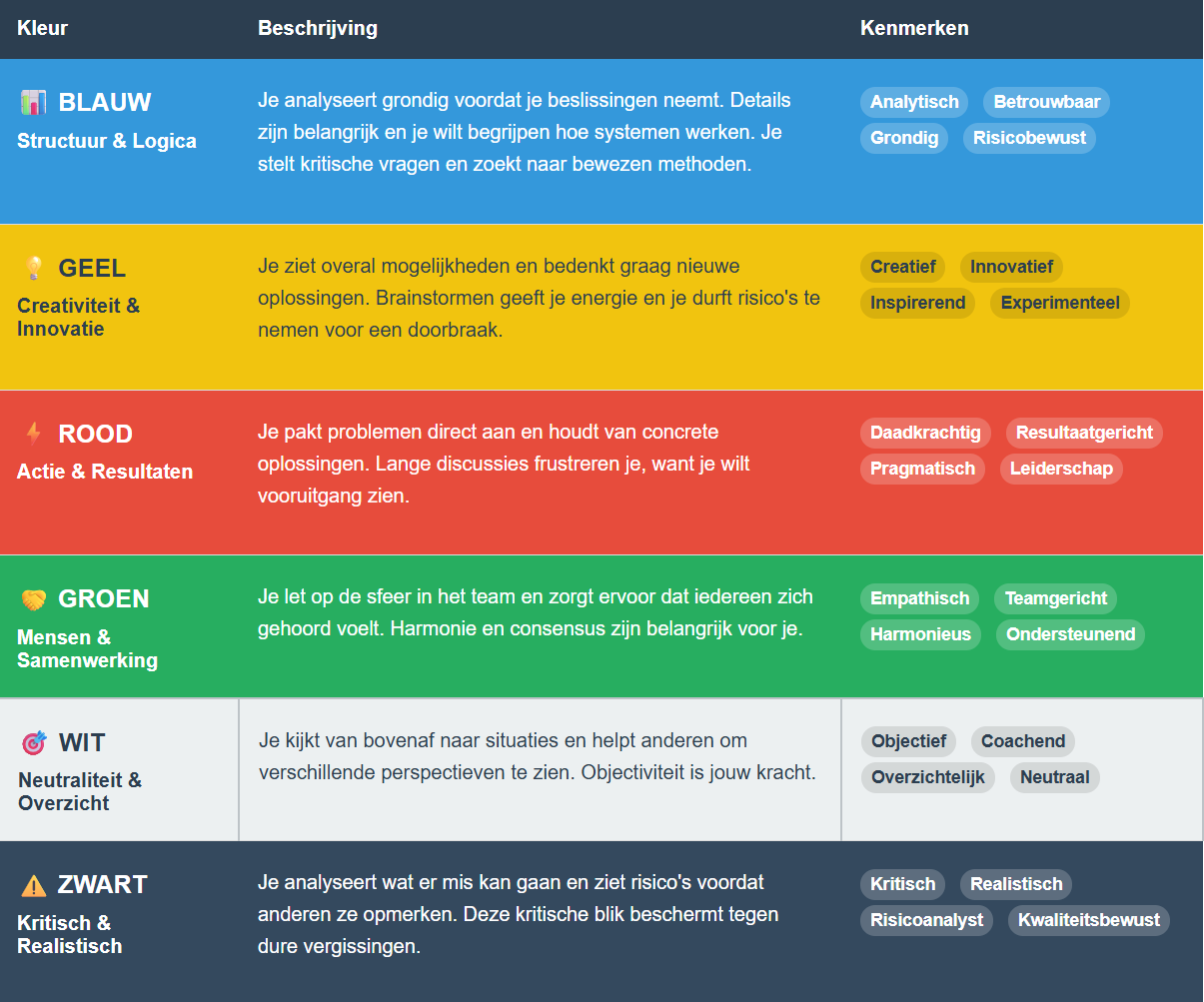

Components of development assessments
Development assessments come in various forms, each with its own focus and method. The choice depends on your goals and the situation in which you’re using the assessment. 360-degree feedback forms the basis of many development assessments. In this process, you gather feedback from colleagues, managers, subordinates, and sometimes even customers. This broad perspective provides a comprehensive picture of a person’s performance. It helps you identify blind spots that you might not notice on your own. Competency assessments focus on specific skills relevant to a position or organization. Examples include leadership skills , communication, or problem-solving ability. This approach is practical because it allows you to immediately identify areas for improvement. Assessment centers combine multiple tasks and exercises. For example, candidates participate in role-plays, presentations, and group assignments. Trained assessors observe and evaluate their behavior. This method provides a realistic picture of how someone performs in various situations. Psychological assessments focus on personality traits and work styles. These insights help in understanding motivation and natural talents. You learn how to best collaborate with others and what kind of environment suits you best.
Why Development Assessments Are Important
Development assessments offer concrete benefits for employees and organizations. These tools create a win-win situation in which both parties benefit from the insights. For employees, an assessment means greater self-awareness. You discover what talents you have and where you can continue to grow. These proven insights help you make career choices. You’ll have a better understanding of which roles suit you and which skills you still want to develop. The assessment also provides direction for your learning process. Instead of taking courses at random, you can work specifically on developing certain competencies. This makes your development more effective and meaningful. Organizations benefit from improved workforce development. They can invest strategically in employee growth by focusing on the right competencies. This increases the return on investment for training and development programs. In addition, assessments help identify potential within the company. You discover which employees are ready for more responsibilities or a different role. This promotes internal mobility and retains talent within the organization.
The real work begins after the assessment
The true value of a development assessment emerges afterward, when you translate the insights into concrete actions. Without follow-up and HR analytics, an assessment remains a snapshot with no lasting impact. Analyze the feedback thoroughly. What patterns do you see? Where do the assessors agree? This consistency often points to your core competencies or key areas for development. Create a development plan with concrete goals and timelines. Choose no more than three competencies to work on, otherwise your efforts will be too scattered. Set SMART goals that are measurable and achievable. Seek support from your manager or HR department. They can help you find suitable training programs, coaches, or development assignments. Colleagues can also be valuable sounding boards. Monitor your progress regularly. Schedule a midterm evaluation after three months. What’s going well? What challenges are you facing? This conscious reflection will keep your development on track.Frequently Asked Questions About Development Assessments
How long does a development assessment take? The duration varies significantly, depending on the depth and complexity. A comprehensive assessment usually takes one to one and a half days in total, while completing the questionnaires sometimes takes as little as 15 minutes. Can I “fail” a development assessment? No, you cannot “fail” a development assessment. The goal is to learn and grow, not to be evaluated. All feedback is intended to help you move forward. Who gets to see the results? This depends on the agreements made in advance. You will usually receive a detailed report yourself. Whether your manager will also have access to the results will be communicated in advance. How often should I take an assessment? This varies by person and organization. On average, it makes sense to do one every two to three years, or at key career milestones such as a job change. A development assessment is an investment in the future of your company and in that of your employee. Take a look at the development matrix and discover how this tool can directly accelerate development.Put this insight into practice
Take the assessment directly, or discuss the right approach with a specialist.
Also interesting: Personality test: Big Five · Motivational drivers test · 360-degree feedback