
 Floor Hendriks
Many HR teams focus on strategy, roles, and processes, while day-to-day behavior tells a different story. That discrepancy lies in organizational cultures
and corporate culture
. By making culture measurable, you can gain a better understanding of collaboration, leadership, and employee turnover.
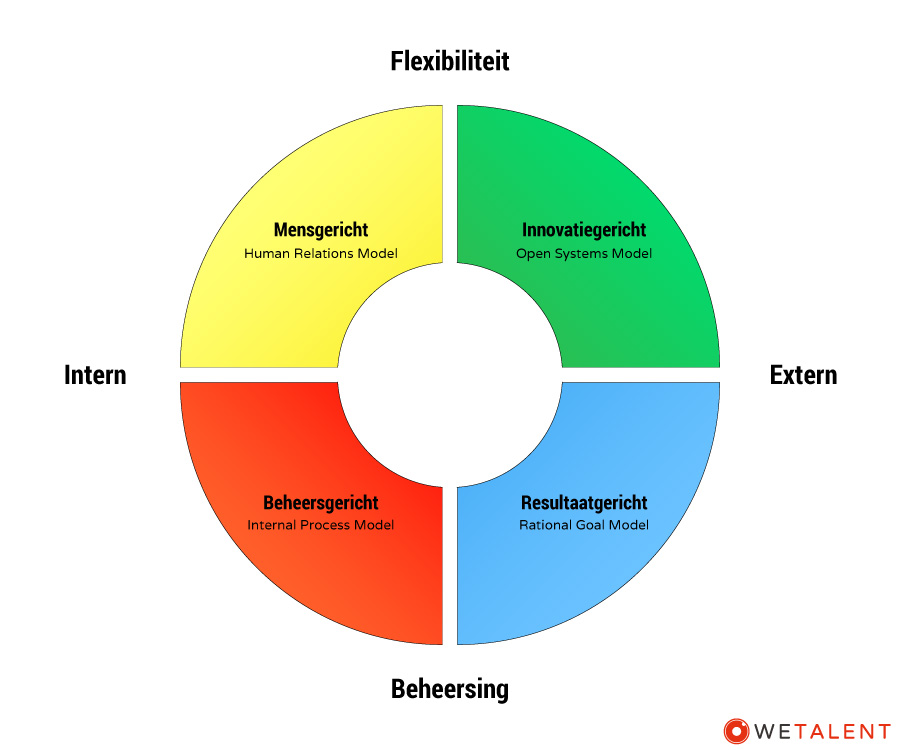 Source: wetalent
Source: wetalent
In short
- Organizational culture drives daily behavior, decision-making, and collaboration
- Corporate culture is the visible result of values, norms, and unwritten rules
- Culture can be measured using targeted questionnaires and behavioral assessments
- Models are only helpful if you translate them into concrete behavior
- Differences between the current and desired cultures explain many HR problems
- Measuring culture makes it possible to discuss it without relying on assumptions
What is organizational culture, and what do we mean by corporate culture?
Organizational culture describes the shared patterns of thought and behavior within an organization. Corporate culture is how those patterns manifest in day-to-day work-how decisions are made, how people deal with mistakes, and how managers provide guidance and feedback. In many organizations, values are displayed on posters or websites. Yet employees experience something different in practice. This discrepancy arises because culture consists primarily of unwritten rules : what is rewarded, what is ignored, and what brings status. This is relevant for HR. Behavior determines performance, collaboration, and engagement. Those who do not measure culture are primarily managing based on assumptions. Source: Sociable
What types of organizational cultures exist?
There are several models for describing organizational cultures. They help identify patterns, not to pigeonhole people. A commonly used distinction looks at the organization’s focus:- Internally focused versus externally focused
- Stability versus change
- Process-oriented versus results-oriented
What is the difference between organizational culture and work climate?
These terms are often used interchangeably, but they mean different things. Organizational culture is about deeper patterns: norms, beliefs, and unspoken assumptions. Workplace climate describes how employees experience their current work situation: workload, trust, collaboration, and communication. You can have a positive work environment within a culture that is unsustainable in the long term-and vice versa. That’s why it’s important to know what you’re measuring. Work environment surveys provide indicators; culture surveys reveal underlying causes.How does corporate culture influence behavior and performance?
Culture determines what behavior feels natural. Employees adapt without this being explicitly stated. This is reflected in:- How quickly decisions are made
- Who takes the lead in discussions
- How safe it feels to discuss mistakes
- How feedback is given and received
What cultural models are used in HR?
Models help put culture into words. They are not an end in themselves. A well-known framework is the idea that culture consists of multiple layers: observable behavior and symbols; conscious values; and deeper assumptions that are rarely articulated. It is precisely this last layer that drives behavior. Other models focus on practices. For example, the extent to which an organization is open to feedback, how decisions are made, and how strictly rules are followed. This makes culture more concrete and easier to discuss. The risk with models lies in oversimplification. They only work if you link them to measurable behavior.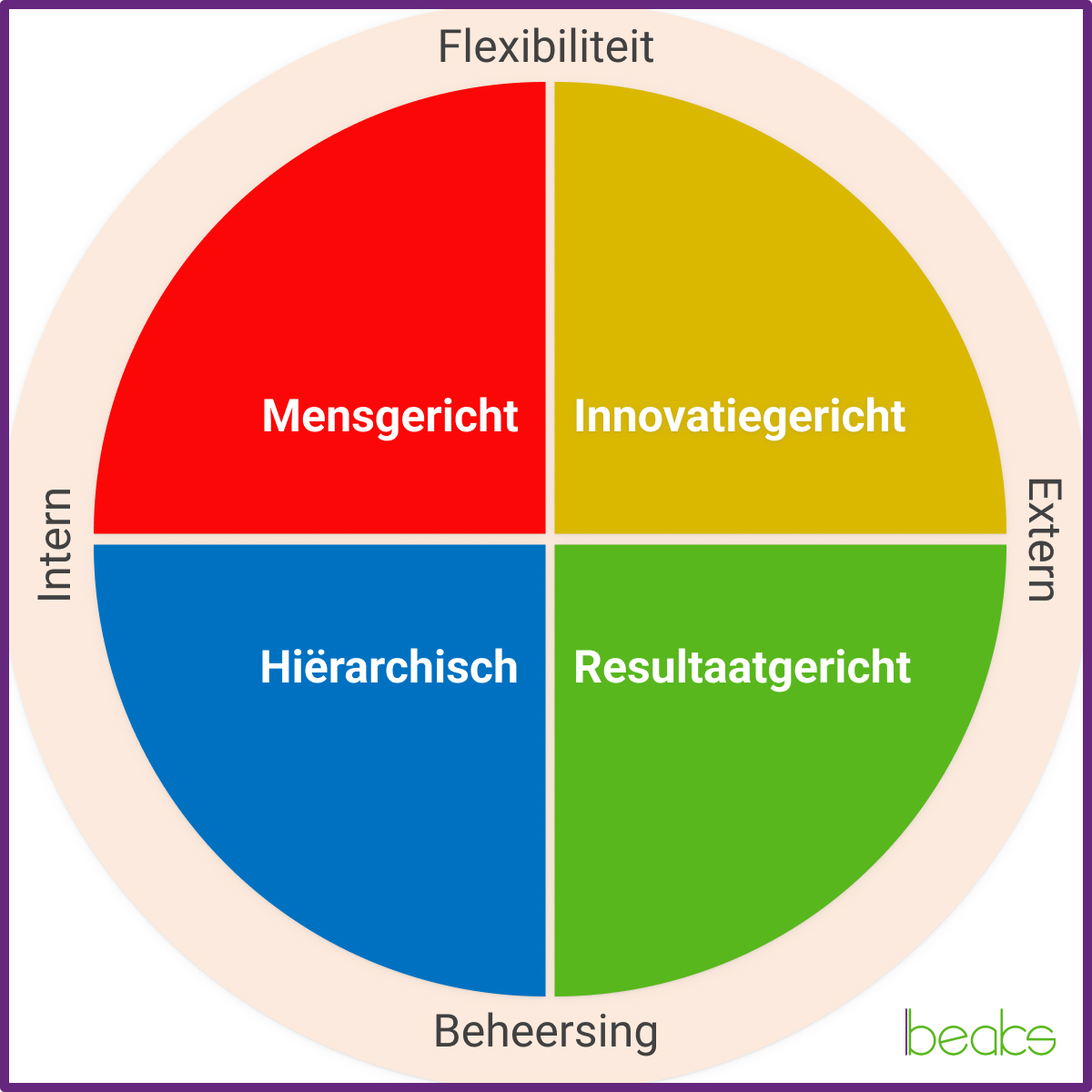 Source: Beaks
How can you measure organizational culture?
Measuring culture starts with a clear question. Do you want insight into collaboration? Leadership? Change behavior? Or alignment with strategy? Effective culture measurements focus on:- Current situation versus desired situation
- Differences between teams and departments
- Concrete behaviors rather than abstract values
What benefits does measuring corporate culture offer HR?
Culture assessments provide HR with a solid foundation for decision-making. You gain insight into patterns that were previously invisible. Specifically, this yields:- Informed discussions about collaboration and leadership
- Targeted development initiatives for each team
- Fewer assumptions during change initiatives
- Better alignment between strategy and behavior
How do you use culture data in the HR cycle?
Culture only becomes valuable when you link it to existing HR processes. During onboarding, culture data helps clarify expectations. In leadership development, it shows which behaviors are reinforced or discouraged. In team development, it highlights differences that were previously viewed as personal issues. Culture also plays a role in the performance review cycle. Feedback becomes more focused when it’s clear which behaviors align with the desired way of working.Why does cultural change fail so often?
Many organizations begin cultural change with communication-new values, slogans, and meetings. However, employees see different behaviors being rewarded every day. Culture only changes when:- Managers consistently model exemplary behavior
- Systems and goals support the desired behavior
- Teams are given the space to discuss differences
How do you deal with subcultures within a single organization?
Subcultures are normal. They arise from expertise, team goals, and leadership. Problems only arise when subcultures work against each other. By measuring culture on a team-by-team basis, you can see:- Where norms differ
- Which expectations clash
- Where collaboration breaks down
Frequently Asked Questions About Organizational Cultures and Corporate Culture
What is organizational culture in simple terms? The shared way in which people think, make decisions, and act within an organization. What is corporate culture? The visible manifestation of organizational culture in daily behavior, communication, and collaboration. Can you really measure culture? Yes, by systematically surveying and comparing behavior, preferences, and perceived norms. Click here for more information . How often should you measure culture? That depends on the goal. Large-scale assessments annually. Shorter pulse surveys more frequently. What is the difference between culture and engagement? Engagement is an outcome. Culture is a cause. Who do you involve in culture assessments? Preferably all employees, with analysis by team or job category. Is cultural change measurable? Yes, by comparing the current situation with the desired situation and repeating this periodically.How to Start Measuring and Discussing Culture
If you want to leverage organizational cultures and corporate culture strategically within HR, start small and be specific.- Determine which behaviors you want to understand or change
- Measure the current and desired situations for each team
- Discuss the results without judgment
- Link actions to day-to-day work
- Repeat the process and track patterns over time
Put this insight into practice
Take the assessment directly, or discuss the right approach with a specialist.
Also interesting: Personality test: Big Five · Motivational drivers test · 360-degree feedback